
Argentina is a country of staggering range. In a single trip you can stand beneath a thundering wall of jungle waterfalls, walk on a glacier, sip Malbec in the shadow of the Andes, and dance tango in a city that feels like Europe transplanted to South America. The hard part is not finding things to do — it is choosing.
To make that easier, here are the best places to visit in Argentina, region by region, with what makes each one special and when to go. Pair any two or three and you have the makings of an unforgettable journey — and at 01 Argentina Travel Agency, we will tailor the route around exactly what excites you most.
Buenos Aires
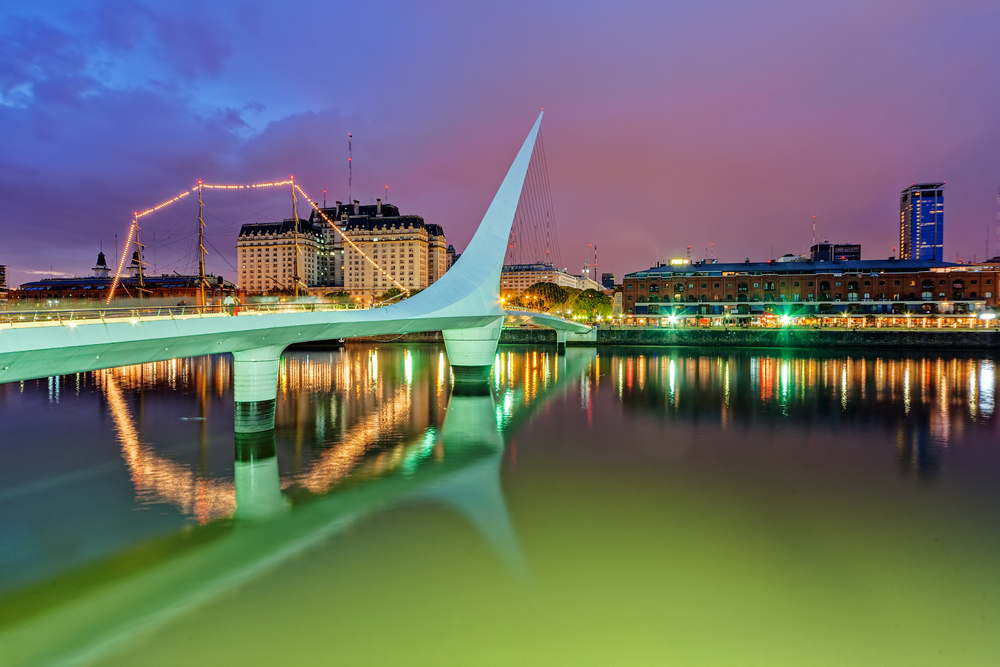
The capital is where most journeys begin, and rightly so. Often called the “Paris of South America,” Buenos Aires seduces with grand boulevards, the pastel houses of La Boca, the antique markets of San Telmo, the leafy elegance of Recoleta, and the buzzing cafés and boutiques of Palermo. Spend your evenings at a tango show and your nights at a late, lingering parrilla dinner. It is a city best understood slowly, on foot. (See also our guide to the best things to do in Buenos Aires.)
Iguazú Falls
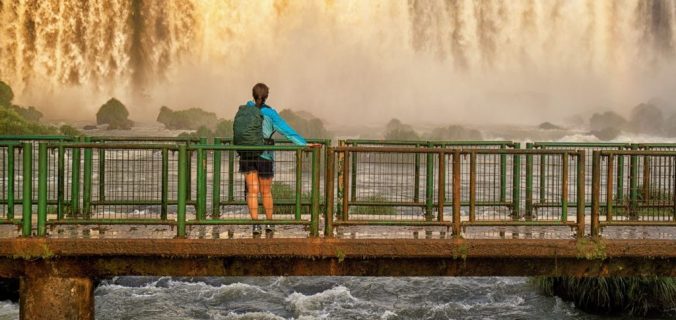
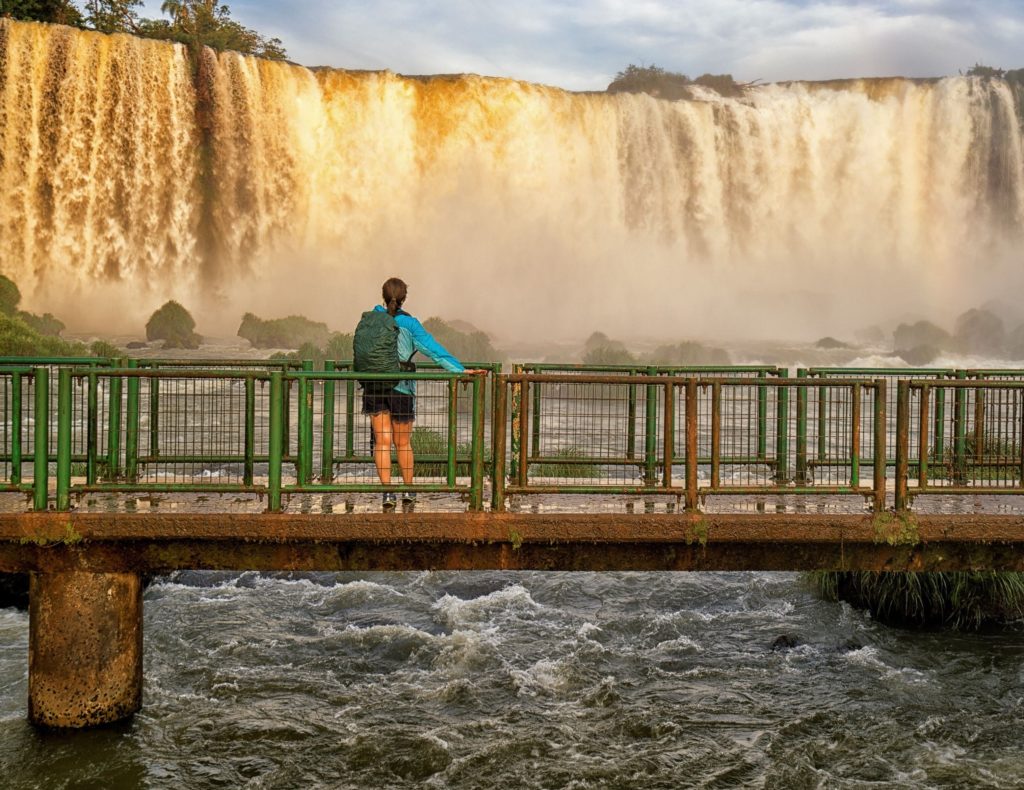
In the subtropical north, on the border with Brazil, lies Argentina’s most jaw-dropping natural wonder. Iguazú is not one waterfall but some 275 of them, strung across nearly three kilometers of rainforest. Catwalks on the Argentine side bring you to the very lip of the Devil’s Throat, where the river vanishes in a roar of mist, while the Brazilian side offers the sweeping panorama. Toucans, butterflies, and coatis complete the spectacle. It is, quite simply, unmissable.
Mendoza & the Wine Country
At the foot of the Andes lies the heart of Argentine wine. Mendoza is the home of Malbec, and a visit means touring historic cellars and high-altitude Uco Valley estates, lunching among the vines, and toasting the mountains at sunset. Beyond the wine, the region offers rafting, horseback riding, and views of Aconcagua, the highest peak in the Americas. It is the perfect counterpoint to the country’s wilder corners.
Los Glaciares: El Calafate & the Perito Moreno Glacier
Deep in Patagonia, El Calafate is the gateway to Los Glaciares National Park and its star attraction, the Perito Moreno Glacier — a five-kilometer-wide, sixty-metre-high wall of cracking blue ice that you can admire from boardwalks or by boat. Watching a tower of ice calve and crash into the water below is one of South America’s most humbling sights.
El Chaltén — Argentina’s Trekking Capital
A few hours north, the tiny village of El Chaltén sits beneath the jagged granite spires of Mount Fitz Roy. This is the country’s hiking heartland, with world-class trails — many of them free and well-marked — leading to glassy lagoons and dramatic viewpoints. For walkers and photographers, there is nowhere finer.
Ushuaia — The End of the World
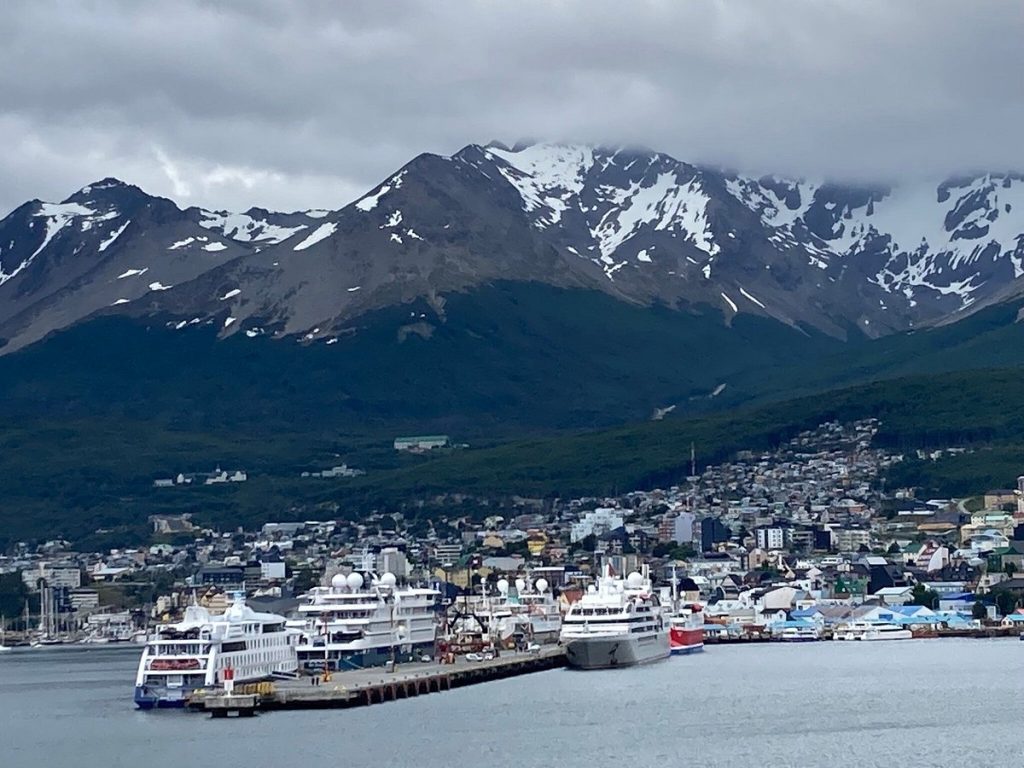
The southernmost city on the planet, Ushuaia is wrapped in mountains, sea, and forest at the tip of Tierra del Fuego. Cruise the Beagle Channel past sea lions and lighthouses, hike in Tierra del Fuego National Park, or set sail from here toward Antarctica. Few places feel as gloriously remote.
Bariloche & the Lake District
In northern Patagonia, San Carlos de Bariloche is an alpine dream of cobalt lakes, snow-dusted peaks, chocolate shops, and Swiss-style architecture. Summer brings hiking, kayaking, and scenic drives along the Seven Lakes Route; winter brings some of South America’s best skiing. It is one of Argentina’s most beloved year-round escapes.
Salta, Jujuy & the Quebrada de Humahuaca
The northwest is Argentina at its most colorful. Around the elegant colonial city of Salta, the landscape erupts into rainbow-striped mountains, none more famous than those of the Quebrada de Humahuaca, a UNESCO World Heritage valley dotted with Andean villages, artisan markets, and ancient traditions. Add high-altitude vineyards of Torrontés in Cafayate, and you have one of the country’s most rewarding regions.
Península Valdés & the Atlantic Coast
On the Patagonian coast, Península Valdés is a UNESCO-listed sanctuary for marine life. Between roughly June and December, southern right whales gather here to breed, while orcas, Magellanic penguins, sea lions, and elephant seals patrol the shoreline year-round. It is one of the planet’s great wildlife-watching destinations — and a model of responsible tourism.
The Iberá Wetlands
For travelers seeking something off the beaten path, the Iberá Wetlands in the northeast are a revelation. One of the largest freshwater ecosystems on Earth, Iberá is the stage for a landmark rewilding project that has brought back jaguars, giant anteaters, and giant otters. Glide through the marshes by canoe at dawn, past capybaras and caimans, with local guides whose livelihoods now depend on protecting this wild paradise.
When to Go
Because Argentina spans so many latitudes, the best time depends on where you are headed. Patagonia (El Calafate, El Chaltén, Ushuaia, Bariloche) is best from October to April. Mendoza shines during the February–April harvest. Iguazú is enjoyable year-round, most comfortable from April to September. Buenos Aires is loveliest in the shoulder seasons of spring (Sept–Nov) and autumn (March–May) — which also happen to be the ideal windows for a country-spanning grand tour.
Plan Your Argentina Trip with 01 Argentina Travel Agency
With so many extraordinary places to choose from, the secret is a well-designed route. As specialists devoted entirely to Argentina, 01 Argentina Travel Agency offers the very finest tours — and every one is fully customizable, built around the destinations and experiences you care about most. We handle the flights, the guides, the hotels, and the timing, so all you have to do is enjoy the journey.
Ready to start planning? Contact our team and we will design a private, tailor-made Argentina itinerary just for you.
Frequently Asked Questions
What are the best places to visit in Argentina?
The classic highlights are Buenos Aires, Iguazú Falls, Mendoza wine country, and Patagonia (El Calafate’s Perito Moreno Glacier, El Chaltén, Ushuaia, and Bariloche). For something different, add the colorful northwest around Salta and Jujuy, the wildlife of Península Valdés, or the rewilding wetlands of Iberá.
How many days do you need to see Argentina?
A week lets you combine Buenos Aires with one region; 10 days adds a second; two weeks allows a grand tour from Iguazú to Patagonia. Because the distances are large, most regions are connected by domestic flights via Buenos Aires.
What is the most beautiful place in Argentina?
It is hard to choose, but Iguazú Falls and the Perito Moreno Glacier are the two natural wonders most travelers rank at the very top — while Buenos Aires wins hearts for its culture and energy.
When is the best time to visit Argentina?
For a country-wide trip, the shoulder seasons of October–November and March–April offer the best all-round weather. Patagonia is best in the southern summer (October–April), and Mendoza is at its most vibrant during the February–April grape harvest.